Uncovering the Beauty of Rare Bromeliad Species
As a plant lover, you may have heard of bromeliads - a group of tropical plants known for their vibrant colors and unique appearance. But did you know that there are rare species of bromeliads that are even more exquisite? In this blog post, we will explore the world of rare bromeliad species and uncover the beauty they possess.
The World of Rare Bromeliad Species
Bromeliads are epiphytes - plants that grow on other plants without harming them. They are native to the Americas, from the southern United States to Argentina. While there are over 3,000 species of bromeliads, only a few are considered rare. These rare bromeliads can be found in different parts of the world, such as Ecuador, Brazil, and Colombia.
What Makes a Bromeliad Rare?
There are several factors that make a bromeliad rare. One of these is its limited distribution in the wild. Some bromeliads only grow in specific regions or habitats, making them hard to find. Another factor is their unique appearance. Rare bromeliads often have striking colors, unusual shapes, or intricate patterns that set them apart from other plants.
The Beauty of Rare Bromeliads
Rare bromeliads are known for their stunning beauty and unique characteristics. Let's take a closer look at some of the most beautiful and fascinating rare bromeliad species.
Tillandsia Streptophylla
Tillandsia streptophylla is a rare bromeliad species that is native to Mexico. It is also known as the "Shirley Temple" because of its curly leaves that resemble the famous child actress' curls. This bromeliad has beautiful shades of green and silver, making it a popular choice among collectors.
Guzmania Sanguinea
Guzmania sanguinea is a rare bromeliad species that is native to Ecuador. It has bright red bracts that form a large flower head, making it one of the most striking bromeliads. This plant is commonly grown as an ornamental plant in tropical gardens.
Vriesea Hieroglyphica
Vriesea hieroglyphica is a rare bromeliad species that is native to Brazil. It has green leaves with intricate black markings that resemble hieroglyphics. This plant requires high humidity and bright light to thrive, making it a challenging but rewarding addition to any collection.
Neoregelia Cruenta
Neoregelia cruenta is a rare bromeliad species that is native to Brazil. It has vibrant red leaves that turn green towards the center, creating a stunning contrast. This plant is easy to care for and is a great choice for beginners who want to collecting rare bromeliads.
How to Care for Rare Bromeliads
Rare bromeliads can be challenging to care for, but with the right conditions, they can thrive. Here are some tips on how to care for these unique plants:
- Light: Most rare bromeliads require bright but indirect light. Avoid direct sunlight, which can burn their leaves.
- Water: Bromeliads store water in their central cups, so make sure to keep the cups filled with clean water. Avoid getting water on the leaves, as this can cause rot.
- Humidity: Most bromeliads require high humidity to thrive. You can increase humidity by placing a humidifier near the plants or by misting them regularly.
- Temperature: Bromeliads prefer temperatures between 60 and 80 degrees Fahrenheit. Avoid exposing them to extreme temperatures, as this can harm them.
Rare bromeliad species are some of the most beautiful and fascinating plants in the world. Their unique characteristics and stunning beauty make them a prized possession among plant collectors. By following the right care instructions, you can enjoy these rare bromeliads in your own home.
Frequently Asked Questions
Q1: Where can I buy rare bromeliads?
You can buy rare bromeliads from specialty nurseries or online retailers that specialize in exotic plants.
Q2: How do I propagate bromeliads?
Bromeliads can be propagated by removing offsets - small plants that grow at the base of the parent plant. These offsets can be planted in their own pots and will grow into mature plants over time.
Q3: Can I grow rare bromeliads indoors?
Yes, most rare bromeliads can be grown indoors as long as they have access to bright but indirect light, high humidity, and proper air circulation.
Q4: How often should I water my rare bromeliads?
Rare bromeliads should be watered once a week, or when the central cups are dry. Avoid overwatering, as this can cause rot.
Q5: What kind of soil do bromeliads need?
Bromeliads don't require soil to grow. Instead, they can be grown in a mix of orchid bark, perlite, and peat moss.
Q6: Do rare bromeliads flower?
Yes, many rare bromeliads produce beautiful flowers. However, some species may take several years to flower.
Q7: How do I fertilize my rare bromeliads?
Bromeliads don't need much fertilizer. You can use a diluted liquid fertilizer once a month during the growing season.
Q8: Can I display rare bromeliads in terrariums?
Yes, terrariums are a great way to display rare bromeliads. Just make sure to provide proper drainage and ventilation.
Q9: How big do rare bromeliads grow?
The size of rare bromeliads varies depending on the species. Some may grow up to several feet tall, while others stay small and compact.
Q10: Are rare bromeliads expensive?
Yes, rare bromeliads can be expensive due to their limited availability and unique characteristics.
14 Rare bromeliad species Images

Bromeliad In The Wildlb Bromeliads Tillandsia

Online Plant Guide Aechmea Species Aechmea Bromeliad Www

30 Best Bromeliad Species Images On Pinterest Air Plants Cacti And

Pin By Franciska Arrebola On Bromeliads Pinterest

Neoregelia Bromeliad Care Tips For Bromeliads Httpswww

384 Best Images About Bromeliads On Pinterest Exotic Flowers

Bromeliad Bloom Bromeliads Bloom Plants

1000 Images About Bromeliads On Pinterest

129 Best Images About Bromeliads All Colours They Can Grow Most Places

22 Best Images About Bromeliads On Pinterest Different Types Of The

Puya Raimondii Queen Of The Andes Giant Bromeliad Bromeliads

Alcantarea Odorata Bromeliads Tropical Garden Plant Combinations
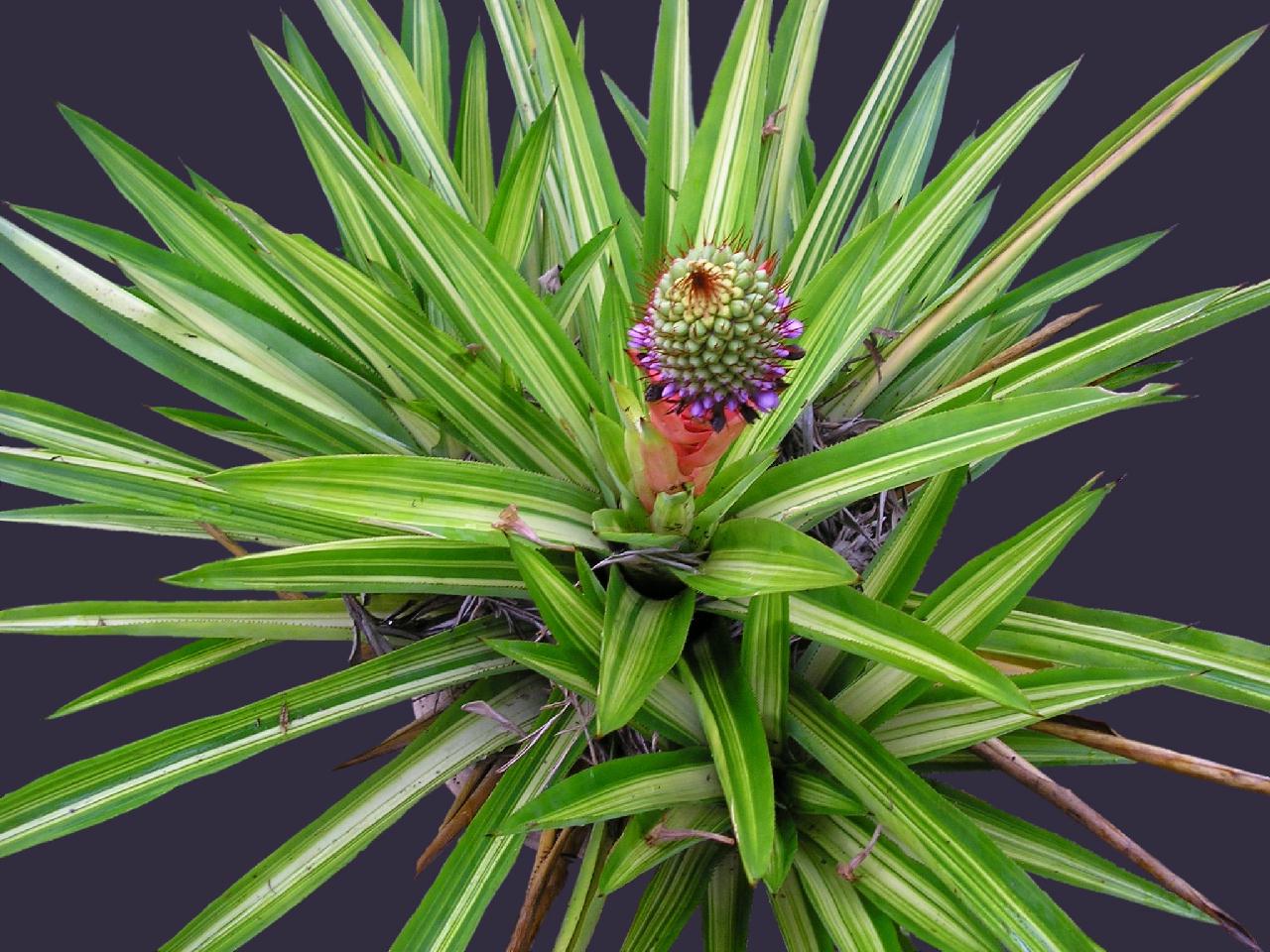
Rare White Bromeliad Bromelias Bromeliad Bromelien Pinterest

Pin On Bromeliads Are The Coolest
Posting Komentar untuk "Uncovering the Beauty of Rare Bromeliad Species"